Table of Contents
- South Carolina Home Selling
- Which Areas in South Carolina Offer the Best Return on Investment and Are Easiest for Residential Property Development?
- What Home Styles, Sizes, and Features Tend to Sell Fastest in the South Carolina Market?
- What Should Home Sellers Know About Zoning Laws, Permits, and Regulatory Requirements in South Carolina?
- Which Towns or Cities in South Carolina Are Easiest, and Hardest, When It Comes to Navigating Real Estate Regulations?
- What Are the Most Effective Flipping and Resale Strategies for Maximizing Profit in South Carolina's Housing Market?
- How Should Sellers Price Their Homes to Attract Buyers While Maximizing Value in South Carolina?
- Which Key Economic, Social, and Regulatory Factors Are Driving Current Trends in South Carolina's Local Property Markets?
South Carolina Home Selling
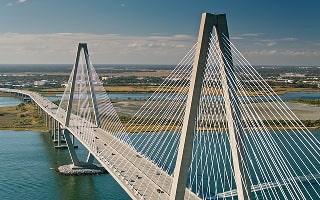
With 5 months of supply, South Carolina is currently in a balanced market. However, in certain areas, like Columbia, the local housing market continues to see low inventory and steady demand, reducing supply and keeping prices elevated.
The Palmetto State's housing market features a blend of historic urban districts, coastal towns, and fast-growing suburban areas. Urban centers like Columbia and Charleston occasionally face affordability challenges, especially for first-time buyers, while suburban communities near job hubs often see fast-rising home values and strong investor activity.
At approximately $383,000, the median sale price of homes across South Carolina has increased by about 2% over the past year. This is lower than the national median of around $415,000 and comparable to both its border states (North Carolina and Georgia).
During the second half of 2025, homes in South Carolina spent around 70-80 days on the market, considerably longer than the national median (40-50 days), and nearby Southeastern states like Georgia, North Carolina, and Tennessee. This change is largely due to significantly more homes for sale, with double-digit year-over-year increases in supply.
Construction activity throughout South Carolina was another key driver of the state's increased supply. New housing authorizations in South Carolina in 2024 accounted for 2.4% of the nation's total housing permits, despite the Palmetto State accounting for just 1.6% of the country's population. Builders are active in many parts of the state, especially in suburban areas like Summerville, Lexington, and Simpsonville, where population growth is high.
Property taxes in South Carolina offer investors and homebuyers a distinct advantage, with average effective property tax rates of just 0.51%, making it one of the lowest in the nation. This low-tax environment attracts retirees, relocators, and long-term investors alike.
Despite the state's low property tax rate and prices that fall below the national median, as of October 2025, the state had the second highest foreclosure rate in the nation, with one foreclosure in every 1,982 housing units. This rate is more than double that of neighboring Georgia (1 in every 4,073) and North Carolina (1 in every 4,242), and may be attributed to wages failing to keep up with inflation and sticky mortgage rates.
Which Areas in South Carolina Offer the Best Return on Investment and Are Easiest for Residential Property Development?
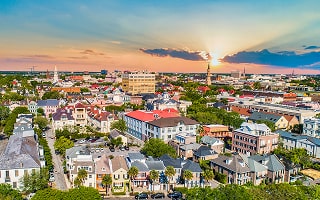
South Carolina remains a promising location for investors and developers looking for substantial opportunities in the housing market to grow wealth. Due to its relatively low property prices and rising demand from a fast-growing population, the Palmetto State has become a hotspot for real estate investment.
If you're looking to explore investment options in South Carolina's real estate market, the following are among the top locations for potentially solid returns on investment:
-
Charleston: With historical appeal and a robust job market driven by hospitality, technology, and service industries, Charleston's housing market has strong potential for capital appreciation. Population growth of more than 11% over the past decade and a significant year-over-year rise in home prices also indicate strong demand for housing and opportunities for investors.
-
Greenville: Greenville has a booming economy supported by tech startups and corporate relocations, which is driving population growth and housing demand. A revitalized urban area also offers entertainment, dining, and cultural events, all of which add appeal to newcomers and locals.
-
Mount Pleasant: Located just a few miles from Charleston, Mount Pleasant attracts professionals, retirees, and families seeking a scenic community. Average home values in the area are among the highest in the state at about $850,000, with average monthly rents of around $3,200. The potential return on investment in this local market is one of the strongest in South Carolina local rental property markets.
-
Rock Hill: Rock Hill is a commuter-friendly market with stable employment, expanding industrial and retail sectors, and strong schools. The average rent in this local market is about $1,500, while the median home value is about $324,000.
-
Myrtle Beach: This coastal city is popular for its beaches, parks, and recreation opportunities, as well as cultural offerings like museums, galleries, and theatres. Myrtle Beach's scenic environment also makes it attractive for vacation rental investors, with AirDNA giving the city a 94/100 investability score.
-
Summerville: Summerville is in high demand among investors due to the wide range of properties, including multifamily homes, condos, and townhouses. Home to over 40,000 people and more than 15,000 jobs, the city offers economic stability and good quality of life. A consistent rise in local property values also makes Summerville attractive for both flippers and buy-and-hold investors.
-
Columbia: As the capital city of South Carolina and home to the University of South Carolina, Columbia offers opportunities for real estate investors interested in the potential for steady rental income. With the city hosting several events annually, including the Columbia International Festival and State Fair, Columbia remains a popular destination for short-term rental investors.
-
Bluffton: The lifestyle appeal and rapid economic growth of this town make it an attractive option for investors and buyers seeking long-term value in South Carolina's real estate market. The median home value in Bluffton is about $500,000, while the average rent is nearly $2,500 per month.
-
North Charleston: North Charleston offers reliable rental demand from Charleston, without its high prices. The presence of logistics employers and aerospace facilities, along with median home values of approximately $307,000, attracts a steady working-class tenant base.
-
Spartanburg: Spartanburg benefits from the economic activities of its surrounding cities, but still maintains a unique identity with education, logistics, and manufacturing jobs. With a median sale price of $235,000 and average rents around $1,200, Spartanburg offers some of the best value for affordability and yields in South Carolina.
What Home Styles, Sizes, and Features Tend to Sell Fastest in the South Carolina Market?
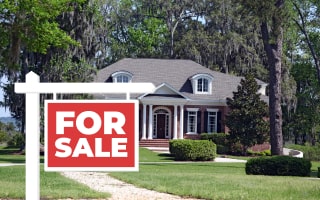
Homes in South Carolina typically sell at a slower rate than the national median. Within the state, higher-demand areas like Charleston, Mount Pleasant, and Greenville tend to see faster home sales than rural towns. In general, homes across South Carolina spend approximately 70-80 days on the market. However, older or overbuilt properties in lower-demand regions may spend even more time on the market before accepting an offer.
Homes with the following characteristics tend to lead to faster sales in South Carolina:
-
![]()
Bedrooms: In South Carolina, demand is high for homes with 3-4 bedrooms and a minimum of 2 bathrooms. This setup strikes an ideal balance for many families and retirees, who find 3-4 bedrooms offers enough space without excessive maintenance or utility costs.
These types of homes are also highly sought after in places like Mount Pleasant, Summerville, and Lexington, where young professionals and families see them as having manageable space with room to grow.
-
![]()
Size and Lot: Mid-sized homes with 1,800-2,400 square feet on quarter-acre lots or less tend to sell fastest, as they often offer functional living without being too costly to maintain. Smaller lots may be preferred for less yard work and lower tax assessments. In South Carolina, such homes are common and highly sought after in Columbia and Charleston.
-
![]()
Style: Homebuyers and renters in South Carolina typically prefer Craftsman, traditional Lowcountry, and contemporary farmhouse styles. Craftsman and Lowcountry homes with front porches and gabled roofs evoke Southern charm, while contemporary farmhouses combine rustic appeal with modern layouts.
Home buyers in Beaufort and Bluffton favor lowcountry-style homes with wide porches and weather-resistant exteriors. In places like Greenville and Spartanburg, craftsman bungalows and cottages are in demand, while in locations like suburban Columbia and Myrtle Beach, modern farmhouse designs are popular among new construction developments.
-
![]()
Modern Upgrades: Buyers in the South Carolina housing market often want homes with minimal need for renovations. Homes that have modern upgrades, such as stainless steel appliances, granite or quartz countertops, luxury vinyl flooring, smart thermostats, and efficient HVAC systems, tend to sell faster, especially in Rock Hill, Simpsonville, North Charleston, Charleston Metro, and Mount Pleasant.


What Should Home Sellers Know About Zoning Laws, Permits, and Regulatory Requirements in South Carolina?

Zoning laws and development codes can differ widely across South Carolina, depending on the municipality. Each municipality can require different permit types and have varying regulatory requirements guiding land use in the state.
For investors, understanding the specific local zoning laws and regulatory requirements can help ensure a smooth transaction. Another factor that may help facilitate smooth real estate transactions is the presence of a zoning verification letter. This letter is often requested by buyers or their attorneys to confirm that a property aligns with local zoning ordinances and allowed uses.
The following shows the zoning law enforcement levels in several South Carolina municipalities. Understanding the regulatory climate in each area can help home sellers and developers navigate real estate transactions and renovation projects in different South Carolina jurisdictions:
-
Jurisdictions with strict zoning laws: These locations have highly restrictive laws, codes, and processes for various land uses. For instance, Mount Pleasant (Charleston County) strictly enforces zoning overlays, height limits, and setback rules to manage rapid growth and preserve neighborhood character. On Hilton Head Island, extensive environmental and architectural standards restrict tree removal, signage, and density.
-
Areas with fewer bureaucratic zoning laws: These jurisdictions have lower barriers for homeowners and investors. For example, in North Charleston, developers encounter fewer restrictions and can generally obtain permits for additions or new builds more easily. Also, unincorporated areas of Spartanburg County tend to allow quicker residential approvals with minimal aesthetic constraints via online permitting platforms like EnerGov/CSS.
-
Jurisdictions requiring a special permit via public hearing and approval from the zoning board: These South Carolina locations often mandate public hearings and the approval of a local zoning board for many projects. In Charleston, the Board of Zoning Appeals must approve special exceptions, particularly for short-term rentals or multifamily conversions. Similarly, Beaufort requires public zoning hearings for any nonconforming use or residential reclassification within historic or high-density areas. Similar rules also apply in Columbia, where conditional uses often go before the board for approval.
-
Areas where a Certificate of Occupancy (CO) may be mandatory: Some municipalities in South Carolina require a CO (or other registrations or licensing) before a property may be legally occupied in certain situations. These include the City of Greenville, Charleston County, and Richland County.
-
Areas where a historic commission requires approval for certain renovations and changes of appearance: In some South Carolina jurisdictions, approval of the local Historic Preservation Commissions (HPCs) is mandatory to make some changes, such as colors for building or other exterior changes. In Charleston's Historic District, the Board of Architectural Review must approve any changes visible from the street. In Beaufort, the local HPC regulates exterior renovations, including changes to siding and windows. Similarly, Georgetown's HPC must review facade alterations or modifications to historic structures.
Which Towns or Cities in South Carolina Are Easiest, and Hardest, When It Comes to Navigating Real Estate Regulations?

Complying with the relevant local real estate laws is important for both homeowners and investors. Typically, properties that comply with the required codes spend fewer days on the market, helping avoid potential legal issues that can slow or restrict sales.
To facilitate smooth transactions and avoid unnecessary delays and added costs, home sellers and developers must understand local zoning codes, permit requirements, and historic protection laws. Staying informed and compliant helps maximize property value and minimize liability.
The following shows a breakdown of the regulatory climate across different towns, cities, and counties in South Carolina:
Development-Friendly Areas
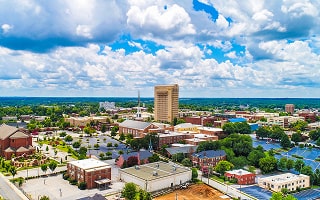
These places make real estate development relatively easy. They're pro-growth, have simple zoning rules, and generally approve projects quickly. Some examples include:
- North Charleston: Known for its business-friendly atmosphere and simplified permitting processes, especially in commercial and mixed-use zones.
- Spartanburg County (Unincorporated): Offers minimal zoning obstacles and fast-track approvals, especially outside the city limits.
- York County: Encourages residential growth with reasonable setback requirements and quicker rezoning options.
- Simpsonville: Rapid growth and city support for new subdivisions and housing developments can help shorten project timelines.
- Goose Creek: Actively promotes housing and economic development, offering developer resources and infrastructure investment incentives.
Moderately Regulated Areas
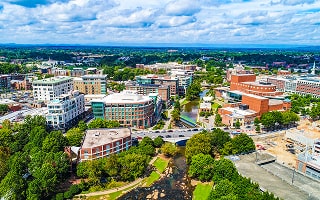
These places do not have overly strict regulations. Examples include:
- Columbia: While regulations are present, especially around zoning variances and CO requirements, they're generally clear and navigable for compliant developers.
- Greenville: Operates under a form-based code that requires attention to aesthetics and site layout, but offers predictable permitting if processes are followed.
- Rock Hill: Moderate regulations, especially for new subdivisions and infill development. Developers face standard reviews and occasional public hearings.
- Summerville: Implements design guidelines and some public engagement, but generally encourages residential growth.
- Florence: Applies moderate design controls in urban zones, but remains fairly accessible for builders and remodelers.
Highly Restrictive or Bureaucratic Areas
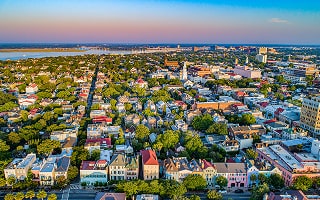
These areas typically have complex zoning laws and complicated processes that may complicate development. Examples include the following:
- Mount Pleasant: Notoriously tight growth controls, including strict density caps, design standards, and limited rezoning approvals.
- Hilton Head Island: Highly regulated due to environmental protection ordinances, architectural standards, and conservation overlays.
- Charleston Historic District: Development and alterations are subject to extensive architectural review and historic preservation constraints, with slow approval timelines.
- Beaufort: Strong oversight from the Historic District Review Board, especially for materials, façades, and structural changes.
- Isle of Palms: Implements strict short-term rental limits, building codes, and stormwater regulations, discouraging dense or rapid redevelopment.
Regulatory Climate Factors

Investors in the South Carolina real estate market must be aware that local ordinances and environmental conditions vary from one community to another. The differences in these ordinances and the regulatory climate may accelerate or hinder real estate development. In order for flippers and developers to ensure solid returns on investments, they must assess the local landscape to help avoid delays and legal complications.
| Factor | Impact on Development | Where It's Found |
|---|---|---|
Zoning Flexibility |
Determines ease of land use |
North Charleston, Spartanburg County (unincorporated), Goose Creek |
Historic Preservation Laws |
Adds restrictions |
Charleston Historic District, Beaufort, Georgetown, Hilton Head Island |
Wetlands/Conservation |
Limits buildable land |
Hilton Head Island, Mount Pleasant, Beaufort County (coastal areas) |
Inclusionary Zoning |
Requires affordable units |
Charleston (Upper Peninsula/Westside areas) |
Building Code Enforcement |
Affects cost/speed |
Greenville, Richland County, Charleston County, Mount Pleasant |
Local Politics/NIMBYism* |
Blocks or delays projects |
Mount Pleasant, Isle of Palms, James Island, Summerville (some zones) |
*NIMBYism - Not in My Backyard
What Are the Most Effective Flipping and Resale Strategies for Maximizing Profit in South Carolina's Housing Market?

Choosing the right flipping or resale strategy for your property's local market is an important step to help minimize days on market and maximize profit. The following are some of the most effective strategies that may be used for flipping homes in South Carolina:
-
![]()
Target Distressed or Foreclosed Homes: One of the best ways to get a good deal in South Carolina is to buy distressed or foreclosed properties. These homes are often sold at steep discounts through pre-foreclosure sales, bank auctions, or tax sales. This strategy works well for experienced flippers who can quickly assess repair costs and navigate the legal side of these transactions. Areas like Columbia, North Charleston, Florence, and Spartanburg tend to have a regular supply of distressed properties available.
-
![]()
Use the 70% Rule [Maximum Offer = (ARV x 70%) - Repair Costs]: The 70% Rule is a smart way to make sure you don't overpay for a home that needs repairs. The rule suggests paying no more than 70% of the property's expected resale value (after repairs), minus the cost of those repairs. It helps protect your profit, especially in places like Greenville, Summerville, and Rock Hill, where home prices are rising but rehab costs may add up quickly.
-
![]()
Try Wholetailing for Speed: Wholetailing is a fast flipping method where you buy a home and make basic improvements, such as cleaning, painting, or small repairs, then quickly resell it without extensive renovations. It works well in growing suburbs where buyers want move-in-ready homes but don't expect luxury finishes. Suburban areas like Goose Creek, Lexington, and Simpsonville, are great for this approach because homes sell quickly with even minimal upgrades.
-
![]()
Build Strong Deal Pipelines with Lead Gen: This strategy involves using tools like direct mail, online marketing, agent contacts, and local wholesalers to keep your pipeline full. This is important for investors across the state, especially in high-demand areas like Columbia, Greenville, and Summerville, where good deals move quickly.
-
![]()
Renovate with Quality, Don't Cut Corners: While it may be tempting to cut costs by opting for cheap materials or labor, meticulous buyers in South Carolina, especially in cities such as Charleston, Hilton Head, and Greenville, notice poor workmanship. Hence, quality renovations can help homes sell faster and at higher prices.
-
![]()
Follow the BRRRR Method (Buy, Rehab, Rent, Refinance, Repeat): The BRRRR strategy, or Buy, Rehab, Rent, Refinance, Repeat, is great for flippers who want to build long-term wealth. After fixing up a property, you rent it out, then refinance it to pull out your cash and reinvest it in the next project. This works well in places like Florence, Columbia, and Anderson, where home prices are low and rental demand is steady.
-
![]()
Go Beyond Cosmetic Work (Value-Add Flipping): Rather than just painting and replacing fixtures, value-add flipping involves making substantial changes that increase a home's worth. This may include finishing a basement, adding another bedroom, or converting a single-family home into a duplex (if local zoning allows). Cities like Columbia, North Charleston, and parts of unincorporated York or Greenville counties make these kinds of changes easier through flexible zoning.
-
![]()
Explore Creative Financing and Seller Financing: In rural or slower markets in South Carolina, some homeowners are often willing to finance the sale themselves, especially if they own the property outright. This allows you to buy the home without going through a traditional bank, which can speed up the process and save on upfront costs. Sellers in places like Lancaster, Chester, and parts of Aiken tend to be more open to this kind of deal.
-
![]()
Target FHA 203(k) Buyers: Some buyers use FHA 203(k) loans, which allow them to take out a single mortgage to buy a home and access extra money for repairs. If your flip needs moderate or cosmetic-only repairs, you might consider targeting 203(k) buyers instead of fully renovating the property yourself. This strategy suits affordable cities like Florence or Columbia, where buyers are looking for good deals and fixer-uppers with potential.
-
![]()
Stage and Price Strategically: In competitive markets like Charleston, Bluffton, and Rock Hill, professionally staged homes with the right price tag often get multiple offers and sell faster. Staging typically involves furnishing and decorating a home by highlighting the property's strengths and creating a welcoming atmosphere to make it more attractive to potential buyers. To price a property strategically, avoid overpricing by listing near round numbers and within popular search brackets to attract attention and drive faster sales.
-
![]()
Invest in Tax Liens or Tax Deeds: South Carolina allows investors to buy unpaid tax liens, which can eventually lead to property ownership if the owner fails to pay the back taxes. This is a slower strategy, but it can result in buying a home far below market value. Counties like Richland, Spartanburg, and Horry have regular tax sales that attract local investors.


How Should Sellers Price Their Homes to Attract Buyers While Maximizing Value in South Carolina?

Since South Carolina communities have varying economies, demographics, and demand-supply dynamics, using the same pricing strategy in all jurisdictions and conditions might not yield the best possible results. Consequently, developers and investors looking to maximize returns on investment must strike a balance between competitive pricing and maximum ROI in order to ensure their properties don't sit on the market for longer than necessary.
To help set the right price and optimize returns, consider working with a local real estate agent or licensed appraiser. These professionals can help analyze active, pending, and recently sold comparable homes (comps) from the last 90 days to ensure your price aligns with market trends and buyer expectations.
The following are some of the top strategies that may be used in varying conditions to maximize value in the state's housing market:
-
![]() Pricing Just Below Below Market Thresholds: One good way to draw more attention to your home is to price it just under common price cutoffs. For example, instead of listing your home for $300,000, price it at $299,900. This helps your home appear in more online searches and makes it feel more affordable to buyers. Sellers in busy markets like Charleston, Rock Hill, and Greenville often use this strategy to pull in more views and generate more interest in their listings.
Pricing Just Below Below Market Thresholds: One good way to draw more attention to your home is to price it just under common price cutoffs. For example, instead of listing your home for $300,000, price it at $299,900. This helps your home appear in more online searches and makes it feel more affordable to buyers. Sellers in busy markets like Charleston, Rock Hill, and Greenville often use this strategy to pull in more views and generate more interest in their listings.
-
![]() Charm Pricing (Psychological Pricing): This strategy is about creating an illusion that buyers are getting a solid deal. For example, pricing a home at $397,700 instead of $400,000 makes the price feel significantly lower to buyers. It works well in suburban areas like Goose Creek, Simpsonville, and Lexington, where buyers are cost-conscious but still looking for nice homes.
Charm Pricing (Psychological Pricing): This strategy is about creating an illusion that buyers are getting a solid deal. For example, pricing a home at $397,700 instead of $400,000 makes the price feel significantly lower to buyers. It works well in suburban areas like Goose Creek, Simpsonville, and Lexington, where buyers are cost-conscious but still looking for nice homes.
-
![]() Pricing to Create a Bidding War: In places where homes sell fast, some sellers intentionally set their prices a little lower than the home's full value. The goal is to attract multiple buyers at once, so they end up competing and pushing the price up. When used correctly, this strategy may lead to stronger offers and quicker sales. It typically works best in areas like Mount Pleasant, Bluffton, or Fort Mill, especially in good school zones where homes are always in demand.
Pricing to Create a Bidding War: In places where homes sell fast, some sellers intentionally set their prices a little lower than the home's full value. The goal is to attract multiple buyers at once, so they end up competing and pushing the price up. When used correctly, this strategy may lead to stronger offers and quicker sales. It typically works best in areas like Mount Pleasant, Bluffton, or Fort Mill, especially in good school zones where homes are always in demand.
-
![]() High-Anchor Pricing (Test the Waters): Some homeowners want to see how high the market will go and opt to start with a top-of-the-range list price. This strategy gives them room to negotiate, helping avoid a situation where they might rush into accepting anything less than top dollar. If the home is in a high-end area, buyers may be willing to pay more, or at least make a serious offer. This strategy is more common in luxury markets like Hilton Head, Daniel Island, or Downtown Charleston, where homes have unique features and strong appeal.
High-Anchor Pricing (Test the Waters): Some homeowners want to see how high the market will go and opt to start with a top-of-the-range list price. This strategy gives them room to negotiate, helping avoid a situation where they might rush into accepting anything less than top dollar. If the home is in a high-end area, buyers may be willing to pay more, or at least make a serious offer. This strategy is more common in luxury markets like Hilton Head, Daniel Island, or Downtown Charleston, where homes have unique features and strong appeal.
-
![]() Price-Per-Square-Foot Benchmarking: In South Carolina neighborhoods where most homes are similar, such as newer subdivisions or condo buildings, it's common to list homes based on the average price per square foot. This gives buyers a fair way to compare your home to others nearby. This method is often used in places like North Charleston, Irmo, and Summerville, where many homes were built around the same time and look alike.
Price-Per-Square-Foot Benchmarking: In South Carolina neighborhoods where most homes are similar, such as newer subdivisions or condo buildings, it's common to list homes based on the average price per square foot. This gives buyers a fair way to compare your home to others nearby. This method is often used in places like North Charleston, Irmo, and Summerville, where many homes were built around the same time and look alike.
-
![]() Appraisal-Backed Pricing: Some property buyers in South Carolina use FHA or VA loans, which means the home has to appraise at or above the sale price; otherwise, the deal could fall apart. To avoid an appraisal gap, sellers in places like Columbia, Florence, and Spartanburg often work with appraisers or agents to set a price that matches the home's expected appraised value. This strategy can help streamline financing approval and increase the likelihood of a smooth closing.
Appraisal-Backed Pricing: Some property buyers in South Carolina use FHA or VA loans, which means the home has to appraise at or above the sale price; otherwise, the deal could fall apart. To avoid an appraisal gap, sellers in places like Columbia, Florence, and Spartanburg often work with appraisers or agents to set a price that matches the home's expected appraised value. This strategy can help streamline financing approval and increase the likelihood of a smooth closing.
-
![]() Net-to-Seller Pricing: Rather than focusing on the sale price, the net-to-seller strategy helps sellers focus on how much they'll eventually net in proceeds, after fees, taxes, and repair costs have been paid. Sellers look at their closing costs and then work backward to choose a listing price that still leaves them with a number they'll be happy with. This strategy offers a realistic way to price, especially in areas like Anderson, Tega Cay, and Mauldin, where sellers generally pay close attention to their bottom line.
Net-to-Seller Pricing: Rather than focusing on the sale price, the net-to-seller strategy helps sellers focus on how much they'll eventually net in proceeds, after fees, taxes, and repair costs have been paid. Sellers look at their closing costs and then work backward to choose a listing price that still leaves them with a number they'll be happy with. This strategy offers a realistic way to price, especially in areas like Anderson, Tega Cay, and Mauldin, where sellers generally pay close attention to their bottom line.
-
![]() Urgency Pricing (Motivated Seller Strategy): The urgent pricing method is used when sellers need to move fast, often due to a job change, divorce, or financial stress. In such cases, pricing the home lower than expected attracts quick offers. Deploying this strategy indicates to buyers that the seller is ready to deal quickly. This kind of pricing is common in places like Orangeburg, parts of Columbia, or Florence, where motivated sales happen more often. While it may mean less profit, it helps get the home sold fast.
Urgency Pricing (Motivated Seller Strategy): The urgent pricing method is used when sellers need to move fast, often due to a job change, divorce, or financial stress. In such cases, pricing the home lower than expected attracts quick offers. Deploying this strategy indicates to buyers that the seller is ready to deal quickly. This kind of pricing is common in places like Orangeburg, parts of Columbia, or Florence, where motivated sales happen more often. While it may mean less profit, it helps get the home sold fast.


Property sellers in South Carolina may adopt the following strategies based on the conditions in the jurisdiction where the property is located:
| Market Condition | Best Strategy |
|---|---|
Seller's Market |
Underpricing for a bidding war |
Buyer's Market |
Charm pricing or net-to-seller |
Unique, luxury home |
High-anchor + value justification |
Entry-level home |
Just below threshold |
Urgent sale needed |
Aggressive urgency pricing |
Flipper or investor listing |
Appraisal-backed or price-per-square-foot |
Which Key Economic, Social, and Regulatory Factors Are Driving Current Trends in South Carolina's Local Property Markets?

Current trends in South Carolina's local property markets are impacted by a wide range of factors, including the following:
![]() Economic Factors
Economic Factors
 Economic Factors
Steady hiring in industries such as aerospace, advanced manufacturing, healthcare, and technologycontinues to drive growth and consumer confidence. Keeping with this pace, homebuilders have pulled nearly 10 residential permits per 1,000 residents in some counties in the state, which has moderated price spikes in some places. Still, real estate and leasing activities currently rank as the second-largest contributor to South Carolina's gross domestic product (GDP). Also, cities like Greenville, Summerville, and Columbia are seeing plenty of new construction, helping increase supply.
![]() Demographic and Social Factors
Demographic and Social Factors
 Demographic and Social Factors
South Carolina has a high net migration rate, which is indicative of strong growth potential, both in the real estate market and the broader economy. New residents include retirees, remote workers, and families looking for a lower cost of living and a good quality of life. Suburbs like Summerville and areas around Myrtle Beach are growing quickly, with approximately 3.8 new residents moving into Summerville for every one who leaves the town. Myrtle Beach has also seen significant in-migration, and was recently named the top city to move to for 2025.
While younger buyers prefer homes near cities with job opportunities, older adults often settle in coastal areas. The steady population growth is driving up demand for homes of different types across the state.
![]() Regulatory and Legal Framework
Regulatory and Legal Framework
 Regulatory and Legal Framework
Rules about land use and permit requirements vary by city. Some places, like Charleston and Mount Pleasant, have strict zoning laws that limit how many homes can be built or how properties can be changed. Other areas, like North Charleston or unincorporated parts of Greenville County, are more flexible and allow for faster development. There's no rent control in South Carolina, and the state is working on laws to make housing easier to build, including modular homes.
![]() Taxation and Fiscal Policy
Taxation and Fiscal Policy
South Carolina's tax setup makes property development tax costs relatively predictable. This is because primary homes get a 4% assessment ratio, which is among the lowest in the country, and any increase in appraised value is capped at 15% over five years (unless you sell or add on to an existing home).
In addition, the state income tax is a flat rate, and local millage increases are tied to inflation and population growth. This stable, low-tax environment leaves more cash in developers' pockets, encourages long-term holding, and draws new builders into hot markets like Greenville, Columbia, and the Charleston suburbs.
![]() Housing Policy and Government Programs
Housing Policy and Government Programs
South Carolina's housing finance agency supports low-interest mortgage bonds and down-payment assistance for first-time buyers, while federal tools like Low-Income Housing Tax Credits, Community Development Block Grants, and Section 8 housing choice vouchers drive investment into underserved areas.
In addition, local revitalization districts sweeten the deal with tax abatements and fee waivers, so developers can mix affordable units with market-rate homes, keeping projects financially viable even when entry-level housing is a tough sell.
![]() Infrastructure and Development Trends
Infrastructure and Development Trends
 Infrastructure and Development Trends
Widened interstates (I-26, I-85), airport expansions in Charleston and Myrtle Beach, and inland terminals in Greer and Dillon, are creating new residential corridors in South Carolina. These infrastructure projects, along with transit-oriented feasibility studies in Columbia and Greenville, are helping guide denser infill around future bus and rail lines.
As roads, rails, and utilities push into the outskirts, land that was once categorized as rural farmland is now prime for subdivisions, build-to-rent clusters, and mixed-use town centers, pulling both investors and homeowners outward from the urban core.
![]() Market Sentiment and Investor Behavior
Market Sentiment and Investor Behavior
 Market Sentiment and Investor Behavior
Current real estate market sentiments and behavior in South Carolina indicate investors chasing steady rental income or resale gains, with high demand for beach condos and short-term rentals in coastal towns.
Similarly, institutional funds target multifamily properties in fast-growing Greenville and Columbia suburbs. Remote-work newcomers from high-cost states also fuel bidding wars in areas like Charleston, while local buy-and-hold landlords are snapping up starter homes in smaller cities.
At the same time, moderate wage growth and tight household budgets are driving interest in newer, affordable housing, rentals, and entry-level homes priced strategically, especially in Columbia, Florence, Spartanburg, and outlying suburbs.
Historically, South Carolina's real estate market has proven itself to be resilient, with long-term growth trends indicated by a year-over-year rise in median home prices despite more inventory hitting the market. This increase is attributable to both inflation and growing demand, particularly among investors and homebuyers relocating to South Carolina from higher-cost-of-living states.
Maximizing profit in South Carolina's housing market requires more than just spotting an area with a good demand-supply balance. Successful flipping and investing depends on choosing the right pricing strategies, staying compliant with local zoning and permitting rules, and adopting the investment or resale strategy that best fits the area's dynamics. By aligning your strategy with the prevailing market conditions, whether it's a buyer's market, luxury neighborhood, or high-demand rental hub, you stand a better chance of selling faster and maximizing ROI.
Table of Contents
- South Carolina Home Selling
- Which Areas in South Carolina Offer the Best Return on Investment and Are Easiest for Residential Property Development?
- What Home Styles, Sizes, and Features Tend to Sell Fastest in the South Carolina Market?
- What Should Home Sellers Know About Zoning Laws, Permits, and Regulatory Requirements in South Carolina?
- Which Towns or Cities in South Carolina Are Easiest, and Hardest, When It Comes to Navigating Real Estate Regulations?
- What Are the Most Effective Flipping and Resale Strategies for Maximizing Profit in South Carolina's Housing Market?
- How Should Sellers Price Their Homes to Attract Buyers While Maximizing Value in South Carolina?
- Which Key Economic, Social, and Regulatory Factors Are Driving Current Trends in South Carolina's Local Property Markets?